
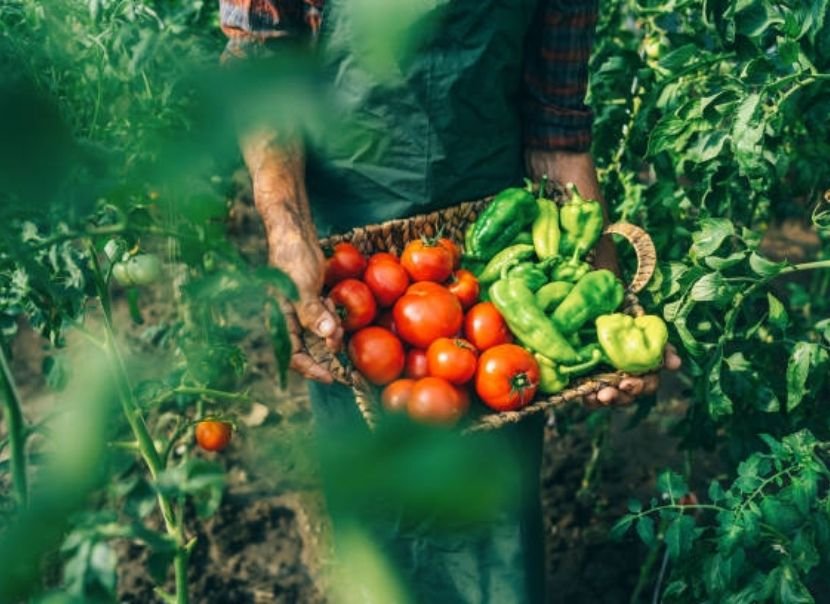
Terrace gardening is gaining popularity among urban households as an effective home method for growing fresh herbs and vegetables. However, a terrace garden’s ability to produce consistent and healthy harvests is significantly influenced by the quality of the soil. Understanding How compost improves terrace garden yield is crucial for every home gardener at this point.

Importance of Compost in Terrace Gardening – How compost improves terrace garden yield
Organic matter that has been decomposed and is rich in beneficial microorganisms and essential nutrients is compost. In terrace gardening, plants are usually grown in containers or raised beds where nutrients get depleted quickly. These nutrients are replenished and fertile terrace garden soil is produced by adding organic compost. Gardeners who follow the sustainable gardening approach of Organic Urban Reap rely on compost as a natural soil booster rather than chemical fertilizers.
Improving Soil Structure and Root Growth
Compost’s capacity to enhance the structure of the soil is one of its most important advantages. Terrace garden soil often becomes compacted over time, restricting root growth. Compost enhances aeration, allowing roots to spread freely and absorb nutrients efficiently. Because they have a direct impact on plant strength and yield, vegetable and container gardening require strong root systems. This is especially useful for gardeners learning how compost improves terrace garden yield naturally.
How compost improves terrace garden yield – Compost as a Natural Fertilizer
Compost provides nutrients steadily over time and acts as a slow-release fertilizer. Unlike synthetic fertilizers, compost feeds the soil as well as the plants. Improved terrace garden yield is made possible by this well-balanced supply of nutrients, which encourages fruiting, flowering, and healthy leaf growth. Organic gardening practices promoted by Organic Urban Reap emphasize nourishing the soil ecosystem to achieve long-term productivity.
Moisture Retention and Water Efficiency
The wind and direct sunlight that are present in terrace gardens can quickly dry out the soil. The ability of the soil to hold water is increased by compost, which improves moisture retention. This protects plants from water stress and makes frequent watering less necessary. Due to improved hydration, gardeners who investigate the advantages of organic compost for terrace gardens frequently notice healthier plants and improved growth consistency.
Boosting Microbial Activity and Plant Health
Beneficial microorganisms that break down organic matter into nutrients that plants can easily absorb are added to the soil by compost. These microbes also help protect plants from diseases and pests, reducing the need for chemical treatments. This natural resistance is especially valuable for those seeking natural ways to increase terrace garden yield while maintaining organic standards supported by Organic Urban Reap.
Long-Term Benefits for Terrace Garden Yield
Long-term soil fertility improves with regular compost application. Over time, terrace gardeners experience improved flowering, higher fruit production, and stronger plants. When terrace vegetable gardening, using the best compost consistently results in healthier harvests and long-term results. Organic Urban Reap’s practice of recycling kitchen waste into valuable plant nutrition is supported by compost, which also promotes sustainable gardening.
How compost improves terrace garden yield – Compost for Beginner Terrace Gardeners
Compost creates soil conditions that are accommodating to novices and encourage plant growth, even in the face of minor mistakes in care. It is simpler to comprehend how to effectively utilize compost in terrace gardening because plants grown in soil rich in compost are more resilient and productive. Even small terrace spaces can produce abundant yields with proper compost use, as recommended by Organic Urban Reap.
To naturally and sustainably increase terrace garden yield, compost is essential. It supports microbial life, improves moisture retention, improves soil health, and supplies plants with balanced nutrition. Gardeners can benefit from healthier plants, increased productivity, and long-term gardening success by incorporating compost into terrace gardening routines and adhering to the organic principles advocated by Organic Urban Reap.
 Based in Hyderabad
  Delivering Pan-India