
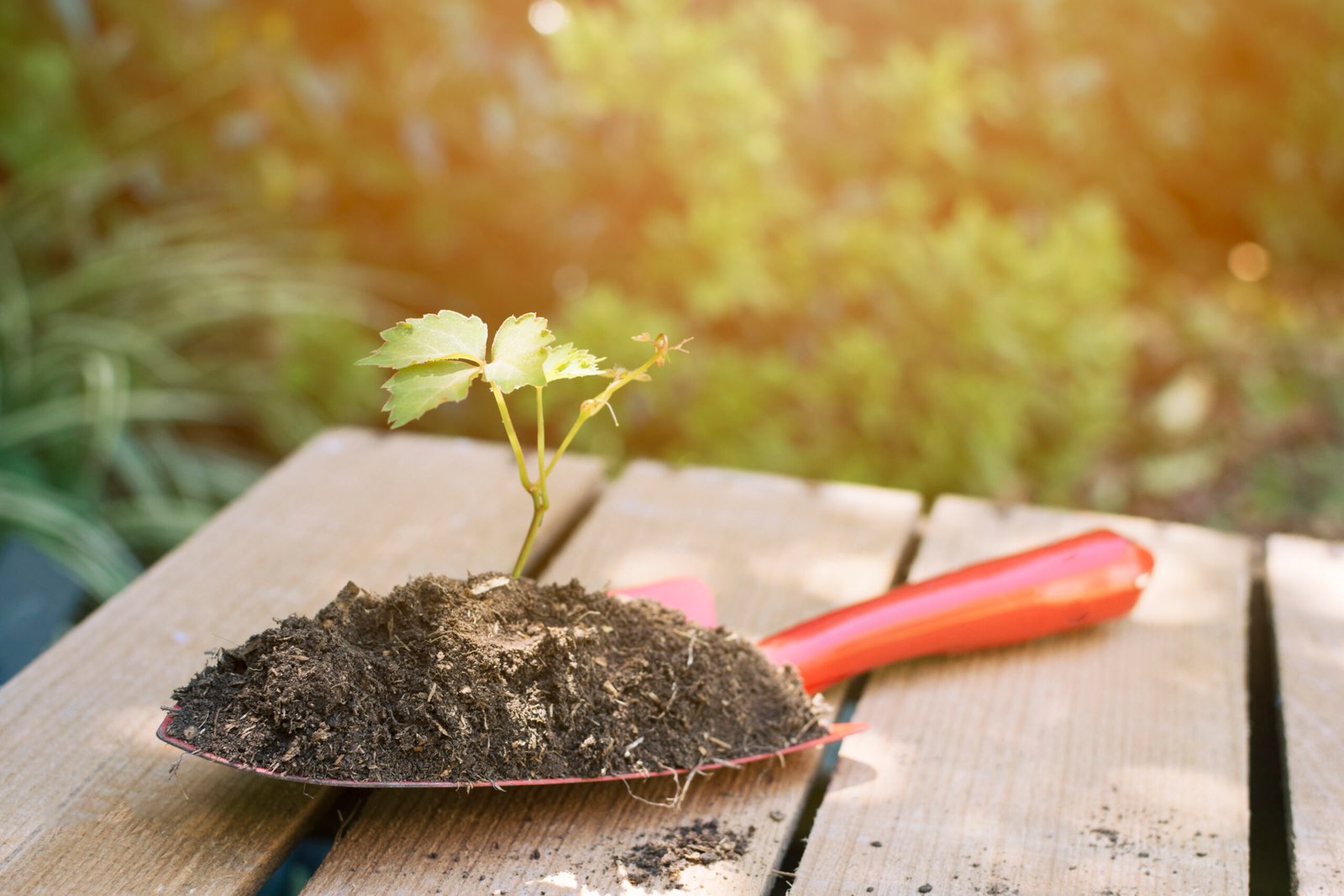
Urban farming is expanding rapidly in modern cities. Numerous individuals now cultivate fruits, vegetables, and herbs on balconies and terraces. However, healthy plants require healthy soil. Good soil provides plants with the necessary support for their roots, water, and nutrients. As a result, every urban gardener needs to know how to improve soil health naturally for urban farming. We at Organic Urban Reap work with urban farmers to use organic and safe methods to build healthy gardens. In addition to enhancing plant growth, healthy soil naturally boosts vegetable production. We at Organic Urban Reap work with urban farmers to use organic and safe methods to build healthy gardens. In addition to enhancing plant growth, healthy soil naturally boosts vegetable production. Why Healthy Soil is Important How to Improve Soil Health Naturally for Urban Farming – Air, water, nutrients, and beneficial microorganisms make up healthy soil. Plants gain strength and speed as a result of these elements. Because plants are grown in constrained spaces like raised beds and containers in urban farming, the soil frequently loses nutrients. Poor soil can result in weak plants and low harvests as a result. Therefore, natural methods for improving soil should be the primary focus of urban gardeners. For long-term farming success, Organic Urban Reap advocates sustainable gardening methods that preserve soil fertility. Add Organic Compost to the Soil One of the best natural ways to improve soil is with organic compost. Compost improves soil texture and adds nutrients. Additionally, it aids beneficial microbes and enhances water retention. Garden waste, vegetable peels, dry leaves, and kitchen waste can all be used to make compost. In addition to reducing household waste, this procedure also increases garden productivity. Additionally, compost aids in deeper and healthier root growth. For urban farming, Organic Urban Reap suggests adding compost frequently to maintain nutrient-rich soil. Use Natural Biofertilizers Without the use of harmful chemicals, biofertilizers boost soil fertility. They have naturally occurring microorganisms that aid plants in better absorbing nutrients. How to Improve Soil Health Naturally for Urban Farming : For urban gardens, popular organic fertilizers include cow manure, vermicompost, neem cake, seaweed extract, and cow manure. Biofertilizers also boost microbial activity and improve soil structure. They promote soil health over time, as opposed to chemical fertilizers. For safer and healthier food production, Organic Urban Reap encourages urban gardeners to use organic fertilizers. Practice Mulching in Urban Gardens Mulching prevents moisture loss and protects the soil surface. Natural mulch materials include grass clippings, dry leaves, and coconut husk. Mulch also prevents the growth of weeds and keeps the soil cool in hot weather. Mulch decomposes over time, adding organic matter to the soil. Soil becomes more productive and fertile as a result. Because mulching naturally improves soil quality, Organic Urban Reap recommends it for terrace gardening and balcony farming. How to Improve Soil Health Naturally for Urban Farming – Rotate Crops for Better Soil Fertility Numerous crop rotations can deplete the nutrients in the soil. As a result, crop rotation is crucial to urban farming. Tomatoes, spinach, beans, and chilies, for instance, can be rotated by gardeners throughout various seasons. Natural pest problems are naturally reduced and nutrient use is balanced by this method. Crop rotation also promotes healthy plant growth and increases soil biodiversity. For better harvests, urban gardeners should adhere to seasonal crop rotation, according to Organic Urban Reap. Avoid Chemical Pesticides Beneficial soil organisms can be damaged by chemical pesticides. Root protection and the absorption of nutrients are important functions of healthy microbes. Natural pest control methods like neem oil sprays, garlic solutions, and herbal extracts should be used by gardeners instead. Without affecting the ecosystem of the soil, these solutions shield plants. Natural pest control also helps urban farming that is good for the environment. Organic Urban Reap advocates soil and plant health-preserving organic gardening practices. Improve Soil Aeration and Watering Roots can grow properly in loose soil. Therefore, gardeners ought to regularly loosen compacted soil. The drainage and circulation of air are also improved when organic matter and coco peat are added. At the same time, proper watering is essential for healthy soil. Overwatering can wash away nutrients, while underwatering can dry the soil completely. Consequently, plants benefit from better growth and active beneficial microbes when watered in a balanced manner. Organic Urban Reap advocates intelligent watering practices for long-term urban gardening. Build a Healthy Urban Garden Naturally How to Improve Soil Health Naturally for Urban Farming – The foundation of successful urban farming is healthy soil. Soil quality can be improved safely and effectively by using biofertilizers, compost, mulch, crop rotation, and other natural methods. Additionally, greener living spaces and healthier food are the outcomes of organic gardening. Urban farmers can naturally cultivate gardens that are robust and productive by following these easy steps. Organic Urban Reap continues to provide eco-friendly urban farming solutions tailored to today’s urban growers.
 Based in Hyderabad
  Delivering Pan-India