
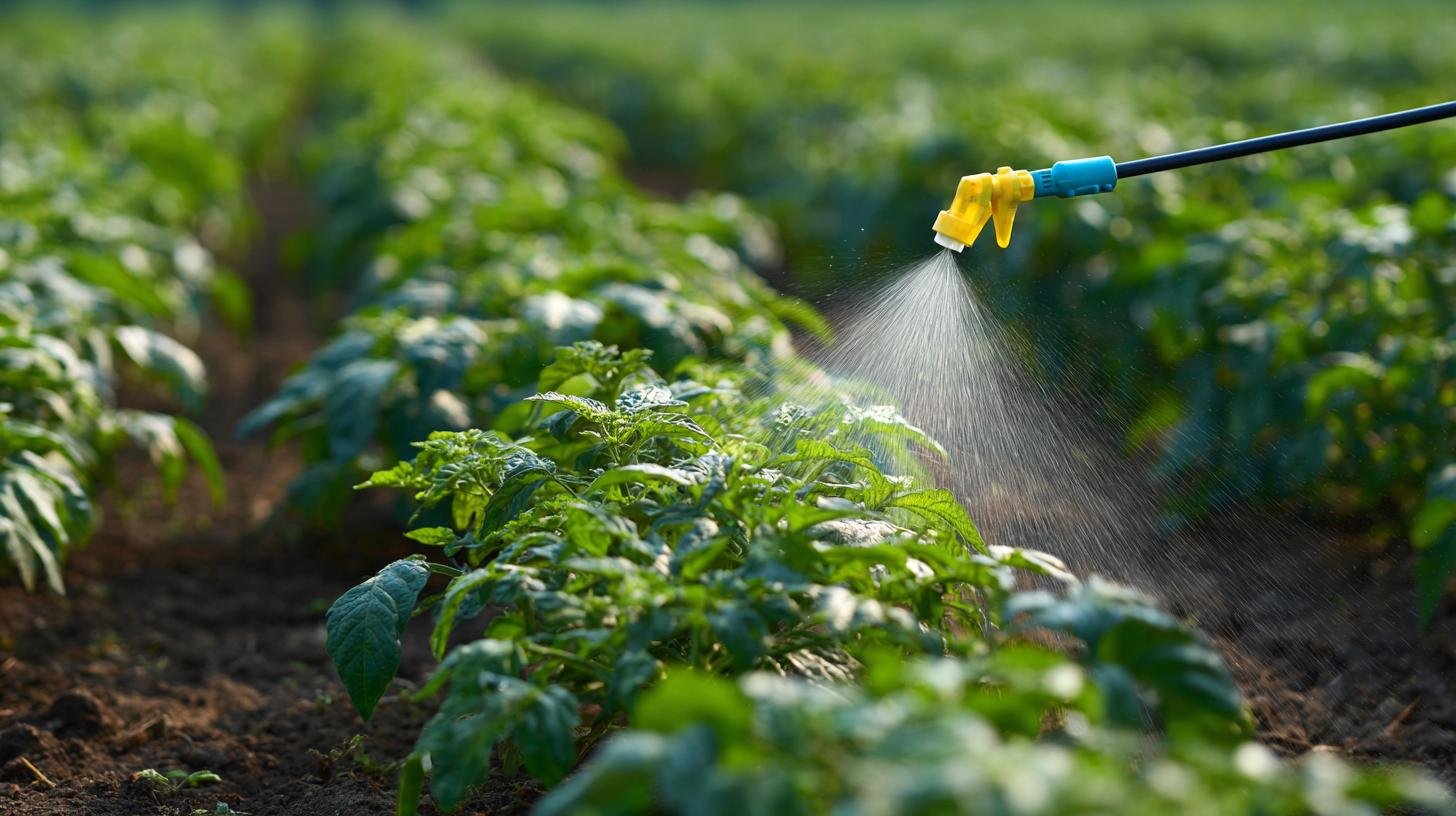
Healthy crops are the foundation of successful farming, and choosing the right agricultural spray can make a significant difference in plant growth, flowering, fruit development, and overall productivity. Farmers use different types of sprays to provide essential nutrients, manage crop health, and support plants during different growth stages. With the right application approach, agricultural sprays can become an important part of a balanced crop management program. Understanding Agricultural Sprays Agricultural sprays are formulated products applied directly to plants or crops to support specific agricultural needs. Depending on their formulation, they may include plant nutrients, micro nutrients, bio stimulants, organic ingredients, or crop protection components. Selecting a spray according to the crop, growth stage, soil condition, and field requirements helps farmers achieve better results. For example, farmers looking for the best agricultural spray for vegetable crops should consider products that complement the crop’s nutritional requirements and growing conditions. Proper selection can support stronger plants and consistent crop development. Benefits of Crop Spraying Crop spraying can provide several benefits when used correctly. foliage application allows plants to receive nutrients through their leaves, which can be useful when plants require additional nutritional support. A suitable plant spray may help improve plant vigor, leaf development, flowering, and fruit setting. Farmers searching for an effective foliage spray for flowering and fruit setting should focus on products designed to support these important crop stages. Regular crop observation is essential because spraying requirements can vary according to weather, crop variety, and field conditions. Choosing the Right Spray for Your Crop Every crop has different nutritional and management requirements. A spray suitable for vegetables may not necessarily be appropriate for fruit crops, cereals, or commercial plantations. Farmers should evaluate crop symptoms, growth stages, environmental conditions, and existing nutrient management practices before selecting a product. Organic Urban Reap focuses on practical agricultural solutions that can support farmers in maintaining healthier crops. Farmers interested in organic crop spray for healthy plant growth can explore suitable options based on their crop requirements and farming practices. Best Practices for Agricultural Spraying Correct application is just as important as choosing the right agricultural product. Always follow the manufacturer’s recommended dosage and application instructions. Use clean spraying equipment and ensure uniform coverage of the plant surface. Spraying during suitable weather conditions can also improve application efficiency. For farmers looking for the best foliage spray for vegetable crops, understanding the crop’s growth stage and nutritional requirements is essential. Avoid unnecessary or excessive applications, as more product does not always mean better results. Supporting Higher Crop Yields Higher yields depend on several factors, including quality seeds, soil health, irrigation, nutrition, pest management, and timely crop care. Agricultural spray products can complement these practices by providing targeted support when plants need it most. An appropriate plant growth spray for improving crop productivity should be selected according to the crop and its development stage. Similarly, farmers seeking a natural crop spray for improving plant growth should consider solutions that fit their overall crop management strategy. Organic Urban Reap promotes informed crop care by helping farmers understand the importance of suitable agricultural inputs and responsible application practices. The goal is to support strong crop development while encouraging practical and sustainable farming methods. Choosing the right agricultural sprays can help farmers manage crop nutrition and support healthy plant development throughout the growing season. From foliage sprays and plant nutrients to crop protection solutions, every application should be based on the crop’s specific requirements. With proper selection, correct dosage, and timely application, farmers can build a stronger crop management program and work toward healthier crops and better yields. Organic Urban Reap remains focused on providing practical solutions for modern agricultural needs and helping farmers make informed crop-care decisions. Organic Urban Reap can be a useful resource for farmers seeking reliable approaches to crop nutrition and plant care.
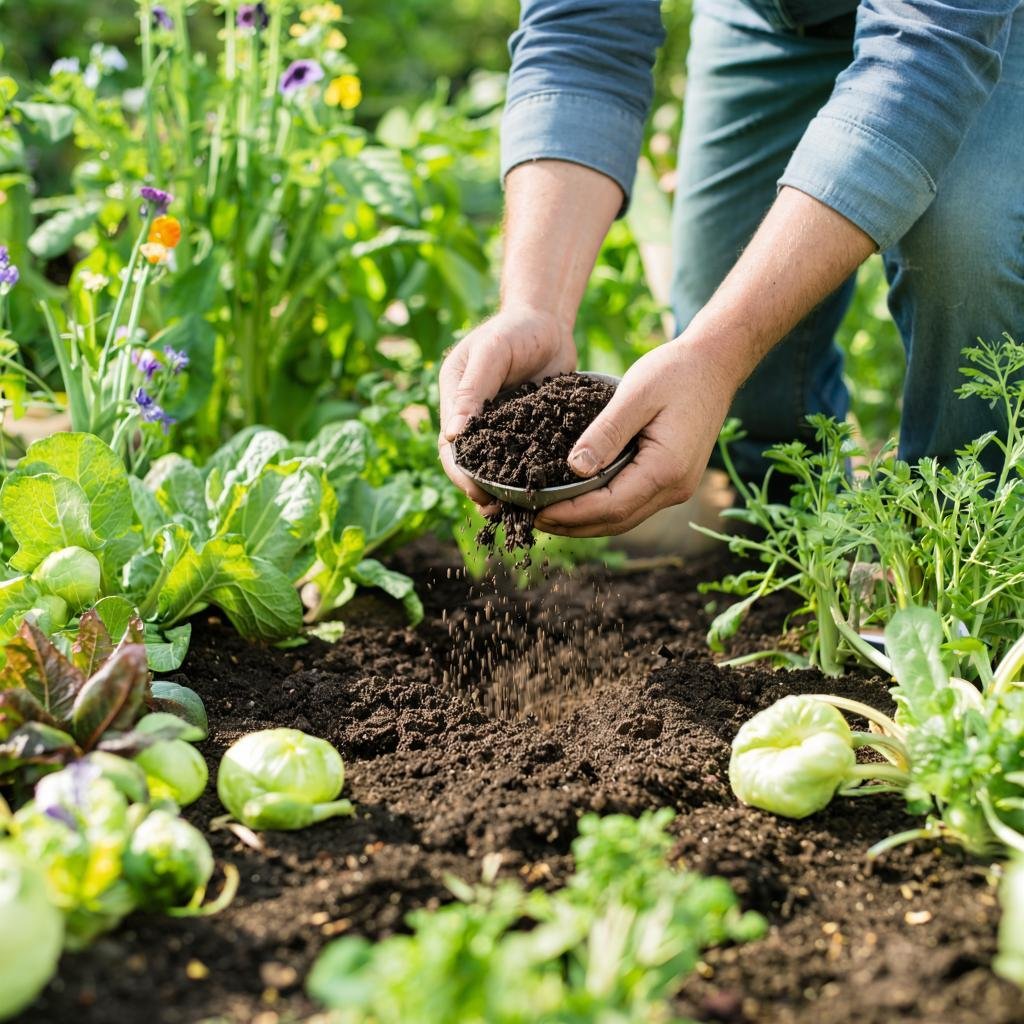
How Plant Care Supports Better Mental Health and Well-Being
Plant care is more than a gardening activity—it is a simple and natural way to improve mental health and overall well-being. When you spend time with plants, you can relax, focus better, and create a peaceful living space. Greenery care gives you emotional satisfaction and improves your surroundings, whether you have a home garden, balcony garden, terrace garden, or indoor plant collection. As more people embrace organic gardening, they also discover the positive impact that plants have on daily life. Organic Urban Reap encourages sustainable gardening practices that not only nurture healthy plants but also contribute to a healthier and happier lifestyle. The Connection Between Plant Care and Mental Health Scientific studies have shown that interacting with plants can reduce stress hormones and promote relaxation. Observing new growth, watering plants, and pruning leaves help people stay connected to nature and promote mindfulness. Activities like gardening give people a sense of accomplishment, boost confidence, and improve emotional health. Healthy plants also improve air quality and create refreshing green spaces that promote calmness. Organic Urban Reap believes that every garden, no matter how small, can become a peaceful retreat that supports both physical and mental wellness. How Plant Care Creates a Positive Lifestyle Plant care develops patience, responsibility, and consistency as well as healthy daily routines. Watching plants grow from seedlings into thriving greenery provides motivation and a sense of achievement. Organic fertilizer, well-balanced plant nutrition, and healthy soil all contribute to the flourishing of plants and give gardeners the satisfaction of nurturing life naturally. Gardening is a good habit for people of all ages because it encourages outdoor activity and reduces screen time. Organic Urban Reap provides gardeners with high-quality organic products that simplify and enhance plant care. Organic Gardening for Better Well-Being Practicing organic gardening creates a healthier environment for both plants and people. Organic fertilizers improve soil health, encourage beneficial microorganisms, and reduce the use of harmful chemicals. Healthy garden soil supports stronger roots, vibrant foliage, and continuous plant growth. Gardening with natural products also provides peace of mind by producing healthier vegetables, herbs, and flowers. Sustainable gardening methods contribute to cleaner surroundings while allowing gardeners to enjoy fresh, chemical-free produce. Organic Urban Reap offers trusted organic gardening solutions that help create beautiful and productive green spaces naturally. The Benefits of Green Spaces at Home Practicing organic gardening creates a healthier environment for both plants and people. Organic fertilizers improve soil health, encourage beneficial microorganisms, and reduce the use of harmful chemicals. Stronger roots, vibrant foliage, and continuous plant growth are all supported by healthy garden soil. Producing healthier vegetables, herbs, and flowers through natural gardening also provides tranquility. Sustainable gardening techniques enable gardeners to enjoy produce that is free of chemicals while also contributing to a cleaner environment. Organic Urban Reap offers trusted organic gardening solutions that help create beautiful and productive green spaces naturally. Simple Plant Care Tips for Everyday Wellness Successful plant care begins with choosing healthy plants and providing consistent attention. To encourage vigorous growth, use organic compost that is rich in nutrients, high-quality potting soil, and organic fertilizer that is balanced. Water plants according to their needs, ensure adequate sunlight, prune damaged leaves, and inspect plants regularly for pests or diseases. These simple habits strengthen plant health while creating enjoyable daily gardening routines. Healthy gardens that bring gardeners lasting happiness and contentment are the result of consistent care. Plant care is a powerful way to improve mental health and make living spaces that are healthier. Plant care helps people feel less stressed, promotes mindfulness, improves air quality, and strengthens their connection to nature. Every small gardening activity contributes to a lifestyle that is more well-balanced and satisfying, whether you are engaging in urban gardening, tending to a garden at home, or cultivating plants indoors. Gardeners can cultivate thriving plants, fertile soil, and tranquil green environments with Organic Urban Reap’s premium organic gardening solutions. Organic Urban Reap maintains its dedication to assisting individuals in experiencing the numerous physical, psychological, and environmental advantages of sustainable gardening.

Top Organic Fertilizer Dealers in Hyderabad near me
Finding reliable organic fertilizer dealers in Hyderabad is essential for anyone looking to grow healthier plants using natural and sustainable methods. Whether you maintain a home garden, terrace garden, balcony garden, or commercial farm, choosing quality organic fertilizers can significantly improve plant growth, soil fertility, and crop productivity. Organic fertilizers enrich the soil with essential nutrients while protecting beneficial microorganisms and the surrounding environment. Organic Urban Reap is dedicated to providing premium organic gardening solutions that help gardeners and farmers achieve outstanding results through eco-friendly products and expert guidance. Why Choose Organic Fertilizer Dealers in Hyderabad? Selecting trusted organic fertilizer suppliers ensures you receive high-quality products that support long-term soil health and sustainable agriculture. Premium organic fertilizers improve nutrient availability, increase microbial activity, and strengthen root development without introducing harmful chemicals into the soil. Professional dealers also provide expert recommendations based on crop requirements, helping gardeners choose the right fertilizer for vegetables, fruits, flowers, and ornamental plants. Organic Urban Reap offers carefully formulated organic solutions designed to improve plant health while supporting environmentally responsible gardening practices. Benefits of Using Organic Fertilizers Using organic fertilizer provides numerous advantages over synthetic alternatives. Organic nutrients are released gradually, allowing plants to absorb them efficiently over time. This improves soil health, enhances moisture retention, and promotes beneficial microbial activity. Healthy soil supports stronger roots, greener foliage, abundant flowering, and higher yields. Organic fertilizers also reduce soil degradation and contribute to sustainable farming practices that benefit both gardeners and the environment. Organic Urban Reap supplies premium organic products that help create productive gardens while maintaining ecological balance. Choosing the Right Organic Fertilizer Dealer When searching for the best organic fertilizer dealer, it is important to consider product quality, customer support, and industry experience. Reliable dealers offer certified organic products, transparent information about ingredients, and expert guidance on fertilizer application. They also provide solutions for different gardening needs, including home gardening, urban gardening, terrace gardens, kitchen gardens, and commercial cultivation. Choosing a trusted supplier ensures better plant nutrition and long-term gardening success. Organic Urban Reap has earned the confidence of gardening enthusiasts by delivering dependable organic gardening products and professional support. Organic Fertilizers for Every Garden Every garden has unique nutritional requirements. Vegetable gardens require balanced nutrients for healthy growth and high yields, flowering plants need phosphorus-rich nutrition for abundant blooms, and fruit-bearing plants benefit from fertilizers that encourage stronger root systems and quality fruit production. Organic fertilizers also improve potting soil, increase soil fertility, and maintain healthy plant nutrition throughout the growing season. Gardeners who invest in quality organic gardening products enjoy healthier plants with fewer pest and disease problems. Why Organic Urban Reap Stands Out Among the trusted names for organic gardening solutions, Organic Urban Reap continues to support gardeners with innovative products developed for sustainable agriculture. From organic fertilizers and soil conditioners to plant nutrition solutions, the company focuses on delivering products that improve plant growth naturally. Whether you are growing vegetables on your balcony or managing a large terrace garden, Organic Urban Reap provides dependable solutions that promote healthier soil and stronger plants. With a commitment to quality, sustainability, and customer satisfaction, Organic Urban Reap has become a preferred choice for gardening enthusiasts seeking natural plant care products. Finding the top organic fertilizer dealers in Hyderabad near me becomes easier when you choose a supplier that values quality, sustainability, and customer support. Organic fertilizers improve soil fertility, encourage healthier plant growth, and contribute to environmentally friendly gardening practices. Investing in premium organic products ensures long-lasting soil health and higher-quality harvests for every type of garden. Whether you are a beginner or an experienced gardener, Organic Urban Reap offers reliable organic gardening solutions that help you create thriving gardens naturally while supporting a greener and healthier future.
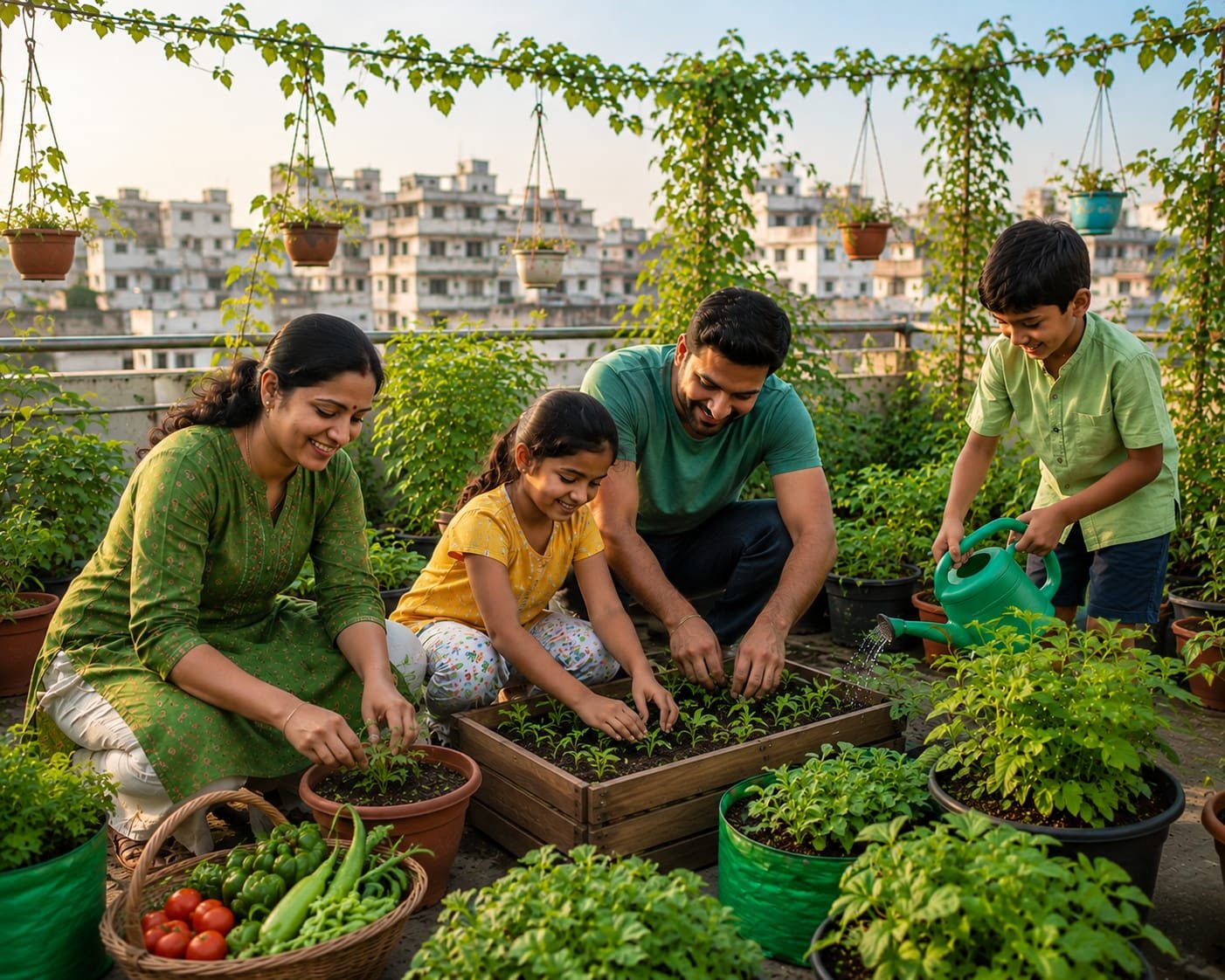
Why More Indians Are Choosing Organic Gardening
One of the gardening trends in India that is growing the fastest is organic gardening. Instead of relying on products that are based on chemicals, more families are opting to grow vegetables, fruits, herbs, and flowering plants naturally. Organic gardening has become the preferred option for home gardeners as people become more aware of healthy living, sustainable farming, and environmental protection. Organic gardening contributes to the development of healthier plants and healthier lifestyles, regardless of whether the garden is in the backyard, the kitchen, the balcony, or the terrace. Through premium organic fertilizers, compost, bio fertilizers, grow bags, and eco-friendly gardening products, Organic Urban Reap is assisting thousands of gardeners in adopting organic gardening. Organic Urban Reap is of the opinion that chemical-free gardening methods can be beneficial to every Indian residence. Organic Urban Reap makes organic gardening simple, affordable, and sustainable with expert advice and high-quality products. Healthier Food for Every Family The ability to grow fresh, chemical-free fruits and vegetables at home is one of the primary reasons why more Indians are opting for organic gardening. Produce grown at home has more nutrients, is better tasting, and gives families confidence in the food they eat every day. Biofertilizers, compost, and organic fertilizers all naturally enhance plant nutrition without leaving behind harmful chemical residues. With the right organic care, fresh vegetables like tomatoes, spinach, coriander, chillies, okra, and leafy greens can easily be grown in home gardens. Better Soil Health and Plant Growth The foundation of successful gardening is healthy soil. Organic gardening improves soil fertility by increasing beneficial microorganisms and organic matter. Natural soil conditioners like compost, vermicompost, and urea aid in the retention of water, growth, and strength of plant roots. Premium organic gardening products from Organic Urban Reap support long-term garden productivity and naturally improve soil quality. Throughout the growing season, healthy vegetables, flowers, herbs, and fruit plants are produced by soil that is strong. Eco-Friendly Gardening for a Greener Future Organic gardening is becoming increasingly popular among homeowners due to its environmental benefits. Organic gardening supports biodiversity, minimizes chemical runoff, and reduces soil pollution. Additionally, natural gardening techniques aid in the protection of pollinators like bees and butterflies, which are necessary for ecosystem health. Organic Urban Reap promotes sustainable gardening by providing eco-friendly gardening supplies, organic fertilizers, and natural pest control options that aid in the preservation of environmental equilibrium and improve plant health. Save Money While Growing More Growing your own herbs and vegetables at home helps you save money on groceries all year long. Grow bags, organic fertilizers, and nutrient-rich soil can be used to produce fresh vegetables in even small terrace and balcony gardens. Organic Urban Reap provides affordable organic gardening solutionsthat increase crop yield and reduce reliance on costly market produce to assist home gardeners in maximizing production. Home gardening also encourages self-sufficiency and reduces food waste. Safe and Natural Pest Control The use of natural methods for controlling pests is one of the main advantages of organic gardening. Without putting people or the environment in danger, neem oil, bio pesticides, companion planting, and healthy soil management all contribute to the protection of plants. Natural pest control preserves beneficial insects that support garden ecosystems and keeps vegetables, herbs, and flowering plants healthy. Perfect for Urban Homes Gardening space is often scarce in contemporary urban homes. Fresh food can be grown in small outdoor spaces like balconies, terraces, rooftops, and organic gardening makes this possible. Grow bags, vertical gardening, and container gardening make it possible for homeowners to make the most of the space they have while also creating beautiful green environments. Organic Urban Reap provides comprehensive gardening services tailored to apartment dwellers and urban gardeners seeking productive home gardens in constrained space. The way Indians cultivate their plants and grow food is being transformed by organic gardening. It provides healthier vegetables, stronger soil, cleaner air, and a safer environment while supporting sustainable living. Organic gardening has long-term advantages for both your family and the natural world, whether you grow flowers, vegetables, herbs, fruits, or both. With premium organic fertilizers, compost, bio fertilizers, grow bags, and eco-friendly gardening products, Organic Urban Reap maintains its commitment to assisting each gardener in achieving success. Through dependable organic gardening solutions, home gardeners can benefit from healthier plants, abundant harvests, and a greener future by selecting Organic Urban Reap.
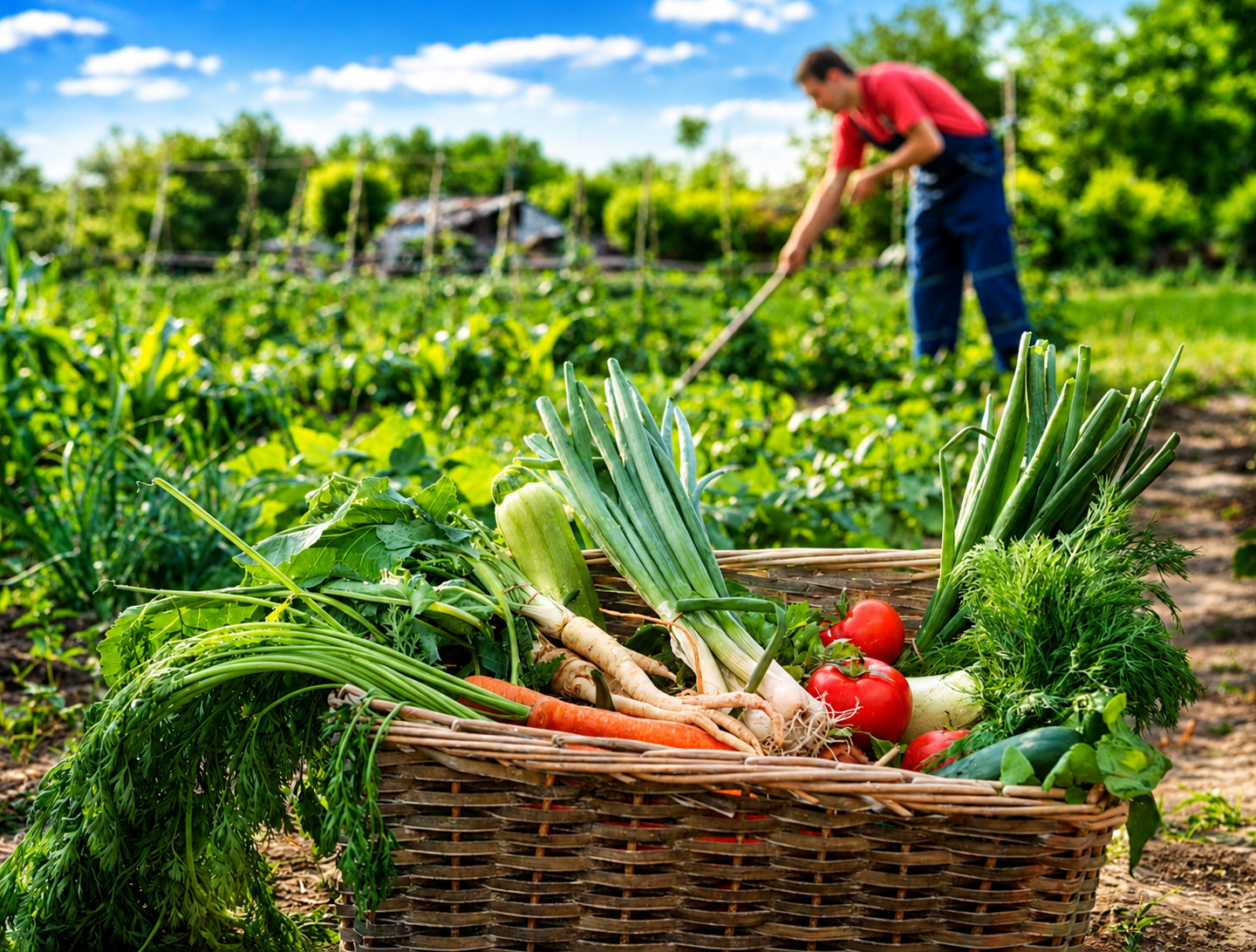
Top 10 Reasons to Start Organic Gardening at Home
One of the most well-liked methods for growing healthy fruits, vegetables, herbs, and flowers at home is organic gardening. Because they produce fresh, nutritious food, reduce the use of harmful chemicals, and improve the health of the soil, natural gardening methods are becoming increasingly popular with homeowners. Organic gardening is an easy and sustainable way to enjoy nature every day, whether you have a balcony, terrace, kitchen, or backyard garden. Premium organic fertilizers, compost, bio fertilizers, grow bags, and eco-friendly gardening products from Organic Urban Reap assist home gardeners in creating flourishing green spaces. Organic Urban Reap is of the opinion that the appropriate organic gardening techniques can transform any residence into a productive and healthy garden. 1. Grow Fresh and Chemical-Free Food The ability to grow fresh vegetables, herbs, and fruits without the use of synthetic chemicals is one of the main benefits of organic gardening. Produce that you grow yourself is better for your health, tastes better, and gives you complete control over the growing process. Organic Urban Reap sells organic gardening supplies that aid in the natural growth of plants while also preserving the health and fertility of the soil. 2. Improve Soil Health Naturally The foundation of every successful garden is healthy soil. Biofertilizers, vermicompost, and organic compost all add valuable nutrients and microorganisms to the soil. Soil structure, water retention, and root development all benefit from this. Organic Urban Reap suggests using natural methods to improve the soil to ensure stronger plants and greater garden output over time. 3. Save Money on Fresh Produce Growing your own vegetables and herbs at home helps you save money on groceries. Home gardening is both practical and cost-effective because vegetables like tomatoes, spinach, coriander, mint, chillies, and leafy greens can all be grown successfully in containers. Fresh produce from your own garden also cuts down on food waste and saves money on transportation. 4. Support Eco-Friendly Living By encouraging sustainable gardening practices and reducing chemical pollution, organic gardening safeguards the environment. Using natural fertilizers, composting kitchen waste, and conserving water all contribute to a greener lifestyle. Organic Urban Reap promotes environmentally friendly gardening techniques that are beneficial to both plants and the natural world. 5. Improve Air Quality Around Your Home Plants help improve the air in your home by naturally releasing oxygen and absorbing carbon dioxide. A garden on a balcony or terrace with healthy plants makes the environment feel fresher and more peaceful. Additionally, adding greenery lowers heat and improves the beauty of your living area. 6. Reduce Stress and Improve Well-Being Gardening is a mentally healthy, calming pastime. Taking care of plants, giving them water, and watching them grow gives you a sense of accomplishment and helps reduce stress in your daily life. Home gardening is supported by Organic Urban Reap because it promotes healthier lifestyles and stronger connections to nature. 7. Grow Beautiful Flowers Throughout the Year Vegetables are just one part of organic gardening. Organic fertilizers and nutrient-rich soil help flowering plants like roses, hibiscus, marigold, jasmine, and petunias thrive. Healthy flowers make your home more colorful and inviting while also attracting butterflies and bees. 8. Protect Plants Naturally Without using harmful chemicals, natural pest control methods like neem oil, bio pesticides, companion planting, and healthy soil management help protect plants. In addition to preserving beneficial insects, these strategies minimize pest damage. Organic Urban Reap sells products for protecting plants that are good for the environment and keep gardens healthy throughout each season. 9. Make Better Use of Small Spaces To get started gardening, you do not need a large backyard. Vegetable and flower cultivation in apartments and smaller homes is made simple by grow bags, terrace gardens, vertical gardens, and balcony gardens. With proper planning and organic plant care, even small gardens can yield impressive crops. 10. Build a Sustainable Future Organic gardening encourages responsible food production, reduces waste, and supports biodiversity. Every organically grown plant helps to make the environment healthier and encourages sustainable living for future generations. Organic Urban Reap continues to assist families in adopting eco-friendly gardening practices that encourage plant growth and protect the environment. Why More Homeowners Are Choosing Organic Gardening Organic fertilizers for healthy vegetable gardens, easy balcony gardening ideas for apartments, and natural ways to improve soil fertility for home gardens are all popular topics of interest to homeowners who are looking for the best organic gardening tips for beginners. Because more people want fresh food, healthier plants, and sustainable gardening solutions, these topics continue to gain popularity. One of the best things you can do for your family, the environment, and your health is to start an organic garden at home. Organic gardening improves the fertility of the soil, encourages healthy plant growth, uses fewer chemicals, and provides year-round fresh vegetables, herbs, fruits, and flowers. Premium organic fertilizers, compost, bio fertilizers, grow bags, and eco-friendly gardening products from Organic Urban Reap continue to be dedicated to assisting home gardeners in achieving success. With the right guidance and natural gardening practices, every home can enjoy a beautiful, productive, and sustainable garden for years to come.
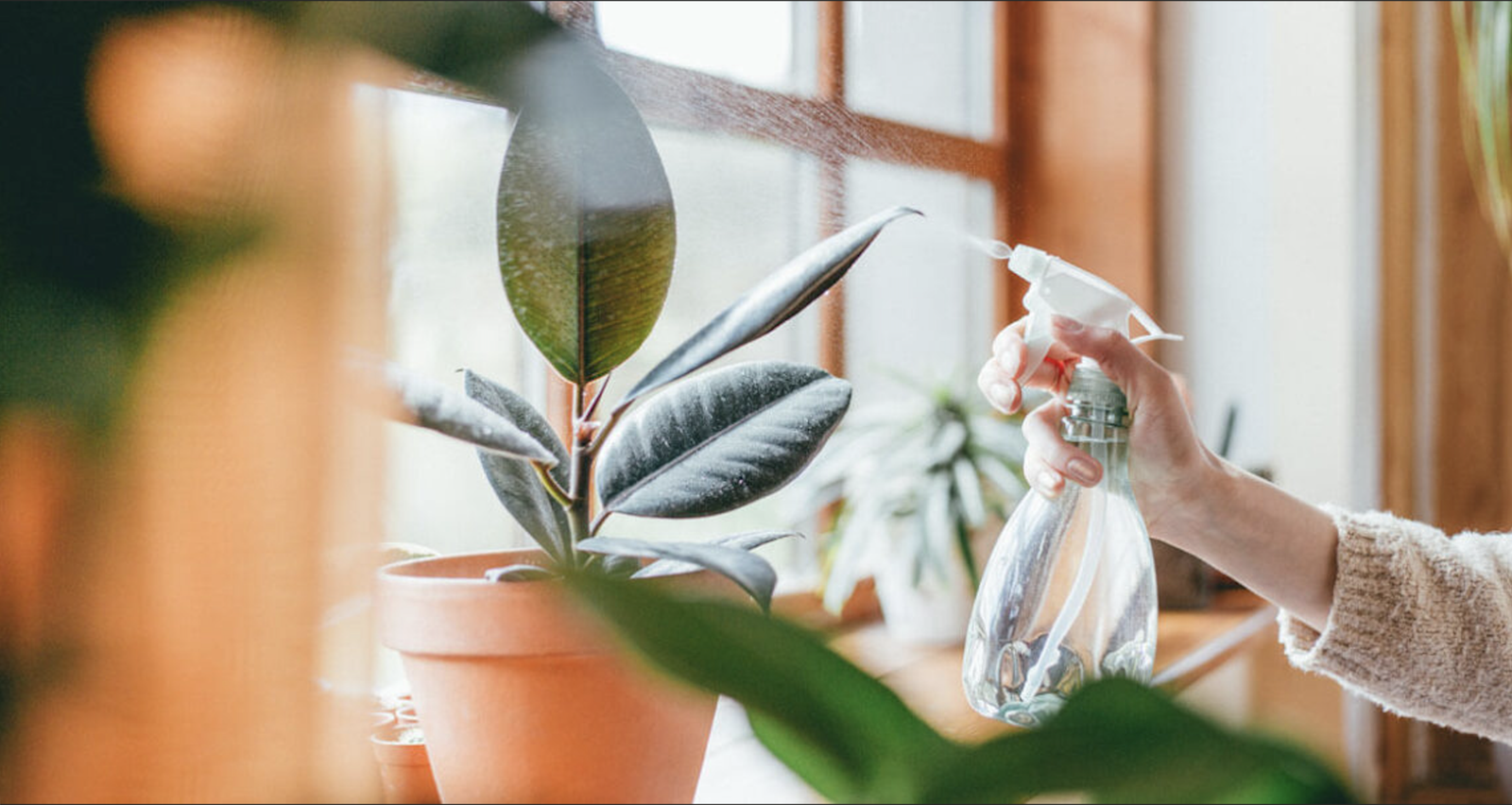
How to Keep Indoor Plants Thriving All Year Round
How to Keep Indoor Plants Thriving All Year Round plants have become an essential part of modern homes, bringing beauty, freshness, and a sense of calm to living spaces. However, keeping indoor plants healthy throughout the year requires proper care, attention, and the right gardening products. From managing plant nutrition to maintaining ideal moisture levels, every aspect plays a vital role in ensuring healthy growth. At Organic Urban Reap, gardeners can find eco-friendly solutions that help indoor plants flourish naturally while promoting sustainable indoor gardening practices. Choosing the Right Environment for Indoor Plants The foundation of successful indoor gardening begins with selecting the right location. Most houseplants require adequate sunlight, proper airflow, and stable temperatures. Placing plants near windows with indirect sunlight helps encourage healthy growth without causing leaf damage. Understanding the best lighting conditions for indoor plants throughout the year can significantly improve plant vitality and reduce common growth issues. Maintaining Healthy Soil and Nutrition Healthy soil is essential for thriving indoor plants. Using quality organic fertilizers ensures that plants receive the nutrients they need for continuous development. Organic Urban Reap offers natural gardening solutions that support strong root systems and improve soil fertility without introducing harmful chemicals. Regular feeding with organic products helps maintain lush foliage and vibrant growth while supporting long-term plant health. Watering Plants the Right Way Proper watering remains one of the most important aspects of plant care. Overwatering and underwatering are common reasons why many houseplants struggle. Monitoring soil moisture and watering only when necessary helps prevent root rot and dehydration. Learning how to water indoor plants correctly in every season can help maintain healthy growth and improve plant longevity. Organic soil conditioners from Organic Urban Reap can also enhance moisture retention and promote healthier root development. Protecting Indoor Plants Naturally Pests can affect even the healthiest indoor gardens. Instead of relying on chemical treatments, many gardeners prefer natural pest control methods. Organic solutions help eliminate harmful insects while preserving the plant’s overall health. Organic Urban Reap provides eco-friendly plant protection products that support organic gardening and encourage safer indoor environments. The best organic pest control methods for indoor plants focus on prevention, early detection, and sustainable treatment options. Supporting Growth Through Seasonal Care Indoor plants experience different growth patterns throughout the year. Seasonal changes in temperature, humidity, and light exposure can influence plant development. Adapting care routines based on seasonal needs is essential for maintaining healthy plant growth. Understanding seasonal indoor plant care tips for healthy growth allows gardeners to provide the right level of support during every stage of the year. Products from Organic Urban Reap can help plants adapt to changing conditions while maintaining consistent growth. Improving Air Quality with Indoor Plants One of the greatest benefits of indoor plants is their ability to improve indoor air quality. Popular air-purifying plants help remove pollutants while creating a more refreshing environment. The benefits of air-purifying indoor plants for home spaces extend beyond aesthetics, contributing to healthier and more comfortable living conditions. Supporting these plants with quality organic nutrients enhances their effectiveness and overall appearance. Creating a Sustainable Indoor Garden Sustainability is becoming increasingly important in modern gardening. By using organic fertilizers, practicing sustainable gardening, and choosing eco-friendly products, homeowners can create greener indoor spaces. Learning how to maintain indoor plants naturally without chemicals encourages healthier gardening habits while protecting the environment. Organic Urban Reap continues to support gardeners with products designed to promote sustainability and long-term plant health. Keeping indoor plants thriving all year round requires a combination of proper lighting, balanced watering, healthy soil, and natural plant protection. By embracing organic gardening, plant care, houseplants, plant nutrition, natural pest control, sustainable gardening, and organic fertilizers, homeowners can enjoy beautiful and healthy indoor gardens throughout every season. With trusted solutions from Organic Urban Reap, maintaining vibrant indoor plants becomes easier, more sustainable, and highly rewarding. Whether you are a beginner or an experienced plant enthusiast, Organic Urban Reap provides the tools and products needed to help indoor plants reach their full potential year-round.
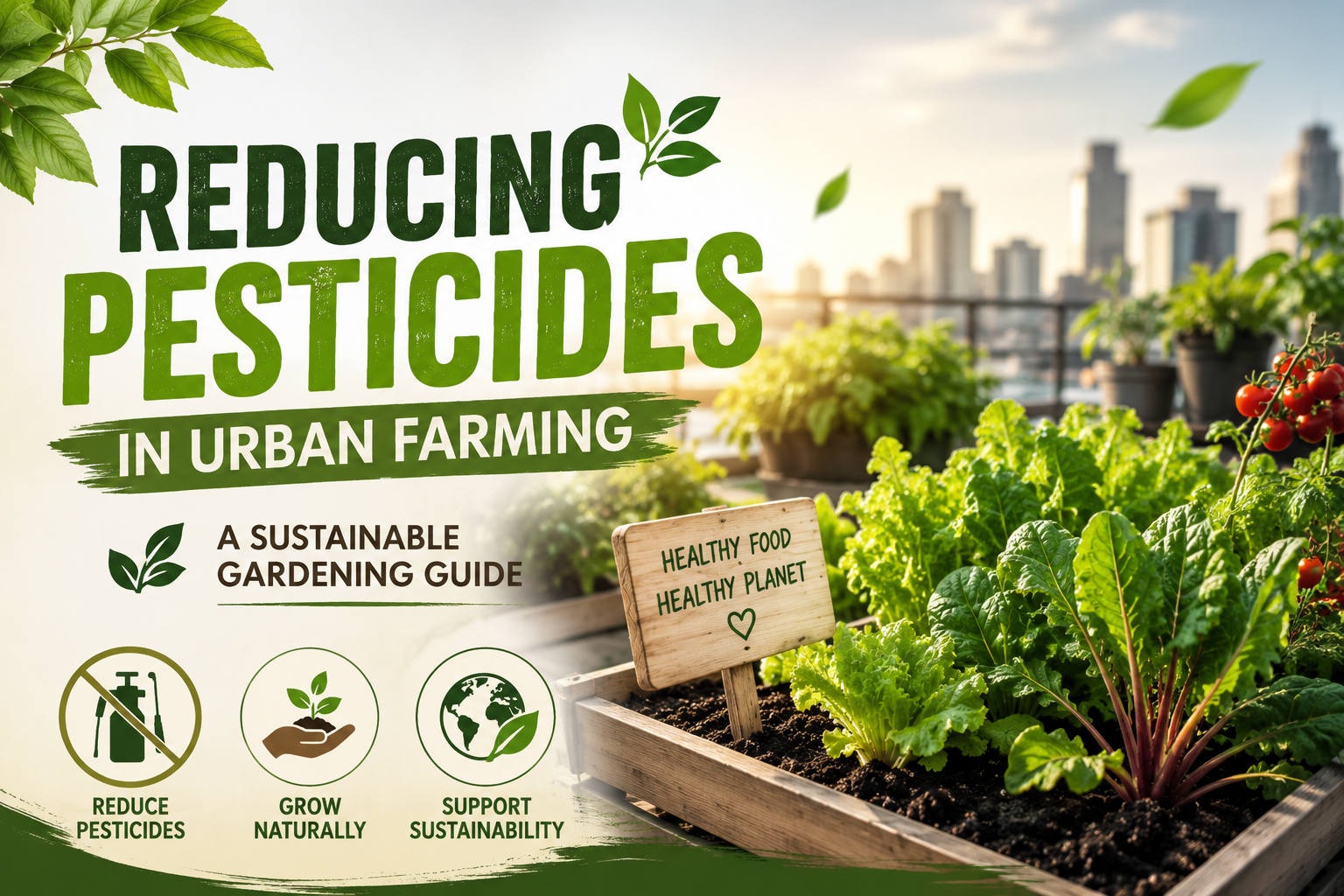
Reducing Pesticides in Urban Farming: A Sustainable Gardening Guide
As cities continue to expand, urban farming has emerged as an innovative solution for producing fresh food close to home. However, one of the biggest challenges faced by modern gardeners is managing pests without relying heavily on chemical treatments. Reducing pesticides in urban farming is not only beneficial for human health but also essential for creating a more sustainable environment. At Organic Urban Reap, we believe that adopting eco-friendly gardening practices can help growers cultivate healthier crops while protecting the ecosystem. Why Reducing Pesticides Matters The excessive use of pesticides can impact soil quality, beneficial insects, and surrounding biodiversity. Urban gardeners are increasingly recognizing the importance of sustainable gardening methods that minimize chemical inputs. By reducing pesticide usage, growers can encourage healthier soil, support pollinators, and improve the overall quality of organic vegetables. Organic Urban Reap promotes responsible gardening practices that prioritize long-term environmental sustainability over short-term pest control solutions. Natural Pest Control Solutions One of the most effective ways to reduce pesticides is by implementing natural pest control techniques. Introducing beneficial insects such as ladybugs and lacewings can help control harmful pests naturally. Companion planting is another excellent strategy that supports organic gardening while deterring unwanted insects. The best natural alternatives to chemical pesticides often involve simple, environmentally friendly methods that work in harmony with nature rather than against it. Building Healthy Soil for Stronger Plants Healthy plants are naturally more resistant to pests and diseases. Maintaining nutrient-rich soil through composting and organic amendments is a key component of sustainable agriculture. Strong root systems and balanced nutrition enable plants to withstand environmental stress and pest attacks more effectively. At Organic Urban Reap, gardeners are encouraged to focus on soil health as the foundation of successful chemical-free gardening. Smart Gardening Practices for Urban Farms Urban growers can significantly reduce pesticide dependence by adopting preventive measures. Proper plant spacing improves air circulation and reduces disease outbreaks. Regular monitoring helps identify pest problems before they become severe. The sustainable gardening practices for home gardens recommended by experts emphasize prevention rather than treatment. These approaches support healthier crops while reducing the need for chemical intervention. Growing Vegetables Without Harmful Chemicals Many gardeners are discovering the advantages of producing food through organic farming techniques. Learning how to grow vegetables without pesticides allows individuals to enjoy fresher and safer produce while minimizing environmental impact. Mulching, crop rotation, and biological pest management are highly effective strategies that support long-term productivity in urban agriculture systems. Organic Urban Reap continues to educate growers about practical methods for cultivating thriving gardens naturally. Environmental Benefits of Sustainable Gardening Reducing pesticides contributes to healthier ecosystems and more resilient urban landscapes. Pollinators, birds, and beneficial microorganisms all play important roles in maintaining ecological balance. The benefits of reducing pesticides in urban agriculture extend beyond individual gardens and positively affect entire communities. By embracing eco-friendly gardening and organic pest control, urban farmers can help preserve biodiversity while producing nutritious food. Creating a Sustainable Future Through Urban Farming The future of food production depends on sustainable practices that protect both people and the planet. Understanding natural pest management for sustainable gardening empowers growers to make informed decisions that support environmental health. The eco-friendly solutions for urban farming available today make it easier than ever to cultivate productive gardens without excessive chemical inputs. Through education, innovation, and responsible growing methods, Organic Urban Reap is helping transform urban spaces into thriving green environments. Reducing pesticides in urban farming is a practical step toward creating healthier communities and a more sustainable future. By embracing organic gardening, natural pest control, sustainable gardening, organic farming, and chemical-free gardening, growers can produce high-quality food while protecting the environment. As more people adopt these methods, the movement toward greener cities will continue to grow. With the guidance and support of Organic Urban Reap, urban gardeners can successfully cultivate vibrant, productive, and environmentally responsible gardens for generations to come. Organic Urban Reap remains committed to promoting sustainable solutions that reduce pesticide dependence and encourage healthier living.
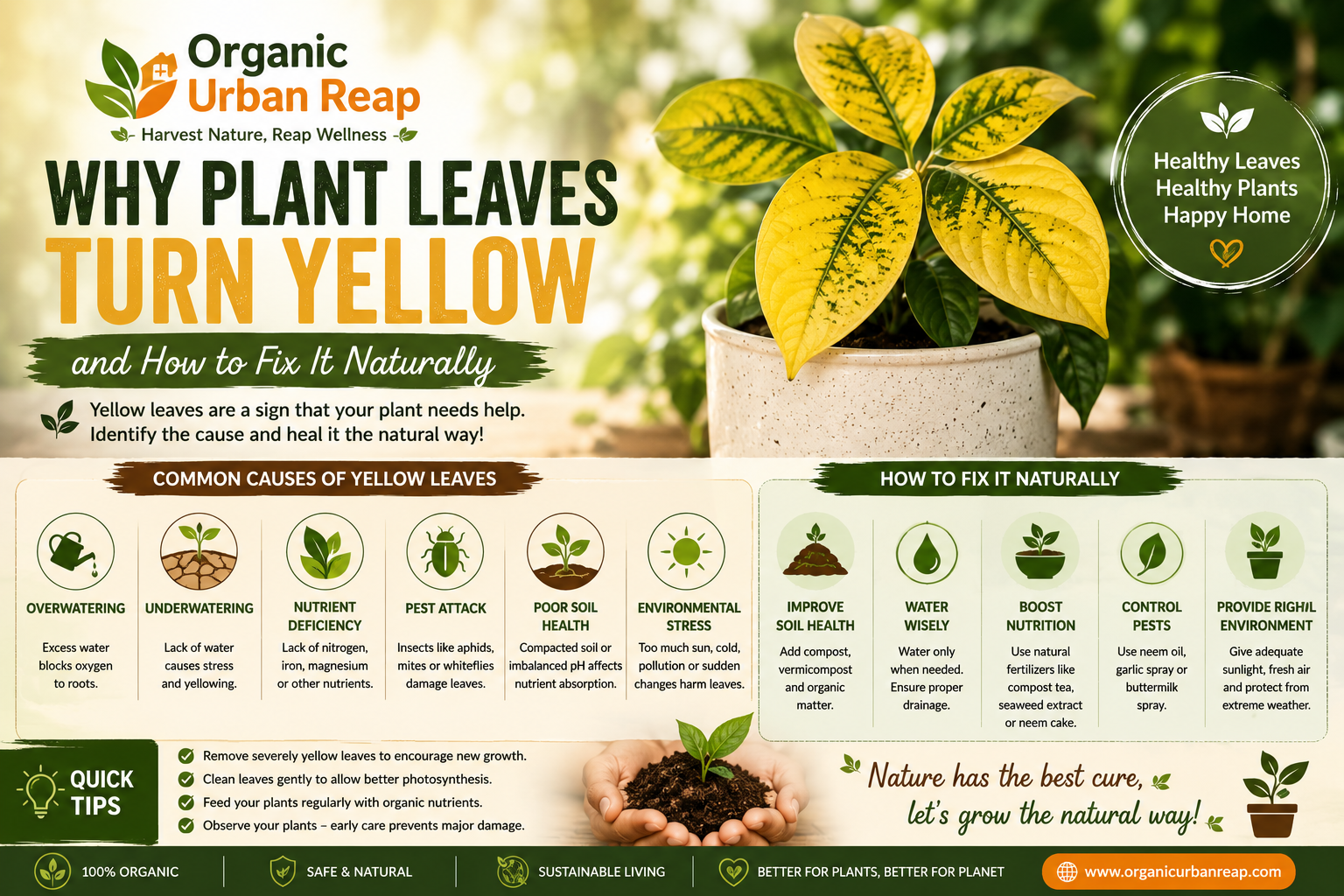
Why Plant Leaves Turn Yellow and How to Fix It Naturally
Healthy green leaves are a sign of strong and thriving plants. However, many gardeners notice their Why Plant Leaves Turn Yellow and How to Fix It Naturally and often wonder what is causing the problem. Yellow leaves can indicate nutrient deficiencies, improper watering, poor soil conditions, pest infestations, or environmental stress. Understanding the root cause is essential for restoring plant health naturally. At Organic Urban Reap, we believe that identifying problems early and using organic gardening methods can help maintain vibrant and productive plants. Common Causes of Yellow Leaves One of the most frequent reasons for yellow leaves is improper watering. Both overwatering and underwatering can stress plants and affect their ability to absorb nutrients. Overwatered roots often lack oxygen, while dry soil prevents roots from taking up essential minerals. Poor drainage is another common issue that can lead to yellow foliage. Nutrient deficiency is also a major cause of yellowing leaves. Plants require nitrogen, iron, magnesium, and other nutrients to maintain healthy growth. When these nutrients are lacking, leaves may lose their green color and become pale or yellow. Organic Urban Reap recommends regularly improving soil fertility through natural methods to ensure plants receive balanced nutrition. The Role of Soil Health in Plant Growth Healthy soil forms the foundation of successful gardening. Soil rich in organic matter supports beneficial microorganisms that help plants absorb nutrients efficiently. Compacted or nutrient-depleted soil can limit root development and cause visible signs of stress, including yellow leaves. Gardeners searching for why are my plant leaves turning yellow naturally often discover that poor soil health is a major contributing factor. Adding organic compost and natural soil amendments can improve soil structure, enhance nutrient availability, and support long-term plant growth. How to Fix Yellow Leaves Naturally The first step is to assess watering practices. Ensure that plants receive adequate moisture without becoming waterlogged. Proper drainage is equally important to prevent root damage. Using organic compost is one of the most effective ways to replenish nutrients naturally. Compost provides essential minerals while improving soil texture and water retention. People looking for how to fix yellow leaves on plants without chemicals can benefit greatly from incorporating compost into their gardening routine. Applying natural fertilizers rich in nitrogen and micronutrients can also help restore healthy foliage. Regular mulching conserves moisture and supports beneficial soil organisms. At Organic Urban Reap, we encourage gardeners to use eco-friendly solutions that promote sustainable plant health. Identifying Nutrient Deficiencies Different nutrient deficiencies produce different symptoms. Nitrogen deficiency often causes older leaves to turn yellow first, while iron deficiency usually affects younger leaves. Magnesium deficiency may result in yellowing between the veins of leaves. Many gardeners search for the best natural remedies for yellow plant leaves because they want safe and sustainable solutions. Organic fertilizers, compost tea, and nutrient-rich soil amendments can effectively address deficiencies while maintaining soil health. Preventing Yellow Leaves in the Future Prevention is always better than treatment. Maintaining healthy soil, watering correctly, and monitoring plants regularly can significantly reduce the risk of yellow leaves. Gardeners interested in common causes of yellow leaves in garden plants should focus on creating balanced growing conditions that support root and foliage development. Following a step-by-step guide to restore healthy green plant leaves can help gardeners quickly identify and solve issues before they become severe. Likewise, understanding the how to improve soil health for healthier plants naturally can lead to stronger growth and improved resistance to environmental stress. Benefits of Organic Gardening Practices Organic gardening promotes healthier plants by focusing on natural solutions rather than synthetic chemicals. Composting, mulching, and using organic fertilizers improve soil fertility and encourage beneficial microbial activity. These practices not only prevent yellow leaves but also enhance overall garden productivity. Organic Urban Reap supports gardeners in adopting sustainable gardening techniques that improve plant vitality while protecting the environment. Through proper soil management and natural plant care, gardeners can enjoy healthier and more resilient plants throughout the year. Yellow leaves are often an early warning sign that plants need attention. Whether the issue is related to watering, nutrient deficiencies, soil conditions, or environmental stress, identifying the cause is essential for successful treatment. By following natural gardening practices, gardeners can restore healthy green foliage and prevent future problems. Organic Urban Reap believes that healthy soil and proper plant care are the keys to thriving gardens. With consistent maintenance, organic fertilizers, and nutrient-rich compost, gardeners can keep their plants healthy and productive. Trust Organic Urban Reap for sustainable gardening solutions, expert guidance, and long-term success in organic gardening.
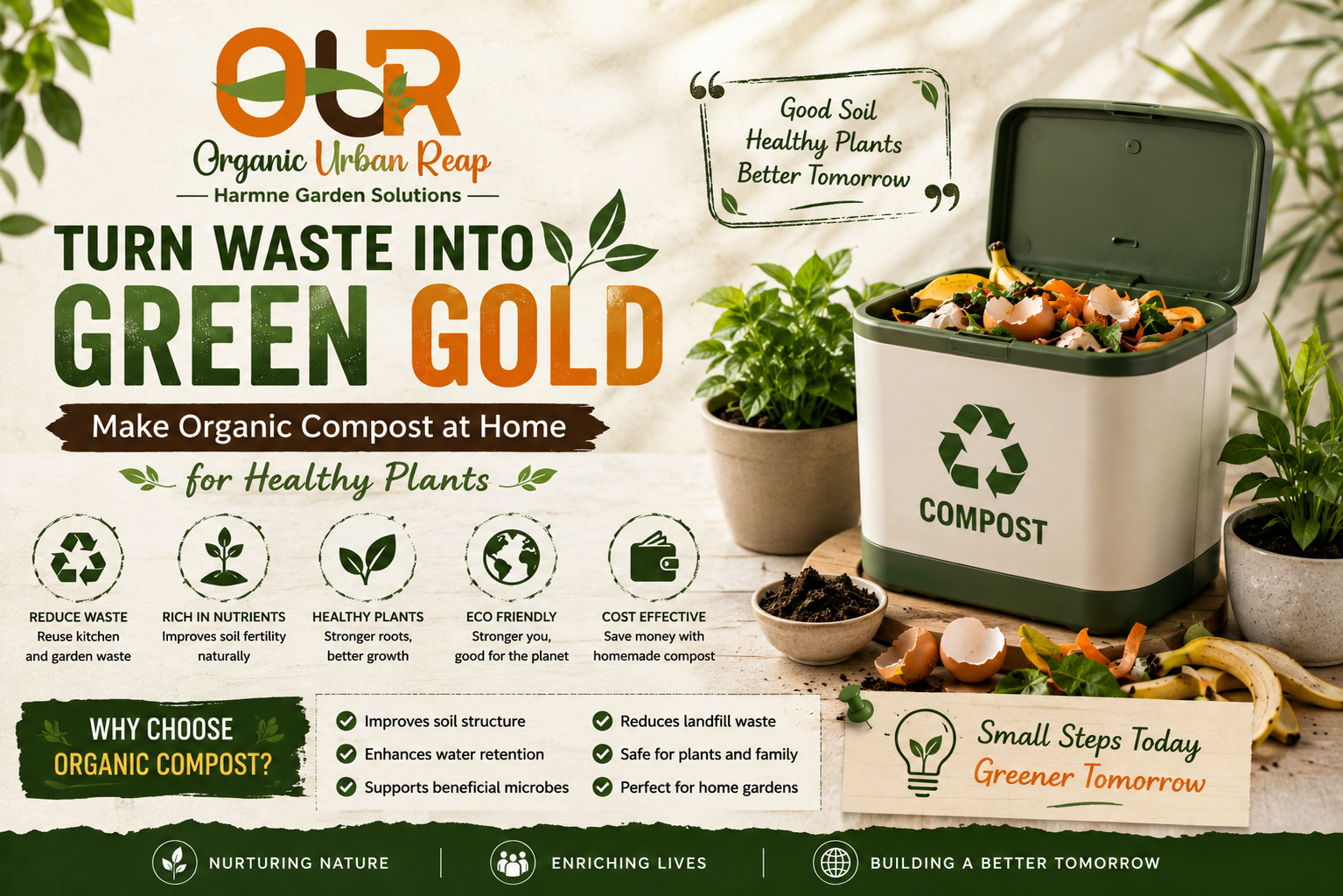
How to Prepare Organic Compost at Home for Healthy Plants
Many gardeners searching for How to Prepare Organic Compost at Home for Healthy Plants find that maintaining the correct moisture level is crucial for successful composting. If the compost becomes too dry, decomposition slows down, while excessive moisture can cause unpleasant odors. Organic compost is one of the most effective ways to improve soil health and promote healthy plant growth naturally. Whether you are involved in home gardening, terrace gardening, kitchen gardening, or organic farming, compost provides essential nutrients that plants need to thrive. Instead of relying on chemical fertilizers, gardeners can create nutrient-rich compost using everyday kitchen and garden waste. At Organic Urban Reap, we encourage sustainable gardening practices that support both plant health and environmental conservation. What is Organic Compost? Organic compost is a natural soil amendment made from decomposed organic materials such as vegetable peels, fruit scraps, dry leaves, grass clippings, and other biodegradable waste. As these materials break down, they form a nutrient-rich substance that improves soil fertility, enhances moisture retention, and supports beneficial microorganisms. Composting is a key component of organic gardening and sustainable agriculture. Benefits of Organic Compost for Healthy Plants Using organic compost offers numerous advantages for gardeners and farmers. It enriches the soil with essential nutrients, improves soil structure, and promotes strong root development. Compost also helps retain moisture, reducing the need for frequent watering. Additionally, it supports natural pest resistance and enhances overall plant health. Organic Urban Reap believes that composting is one of the simplest and most effective ways to create a thriving garden. Materials Needed for Composting Preparing organic compost at home is easy and cost-effective. You can use common household and garden waste such as fruit peels, vegetable scraps, tea leaves, coffee grounds, dry leaves, shredded paper, and grass clippings. Avoid adding meat, dairy products, oily foods, and plastic materials, as they can slow down the decomposition process and attract pests. Step-by-Step Process to Prepare Organic Compost Begin by selecting a compost bin or container with proper ventilation. Add a layer of dry materials such as leaves and shredded paper, followed by a layer of green materials like vegetable scraps and fruit peels. Continue alternating between dry and green layers to maintain the right balance of carbon and nitrogen. Keep the compost slightly moist and turn it regularly to improve airflow and accelerate decomposition. Many gardeners searching for how to prepare organic compost at home for healthy plants find that maintaining the correct moisture level is crucial for successful composting. If the compost becomes too dry, decomposition slows down, while excessive moisture can cause unpleasant odors. Tips for Faster Composting For quicker results, chop large waste materials into smaller pieces before adding them to the compost bin. Regular turning helps introduce oxygen, which speeds up decomposition. Gardeners looking for the best way to make nutrient-rich compost naturally often use a combination of kitchen waste and garden waste to achieve optimal results. Monitoring the balance between green and brown materials is essential for producing high-quality compost. Common Composting Mistakes to Avoid One common mistake is adding too much of one type of material. Another issue is neglecting aeration, which can lead to foul smells and slow decomposition. People interested in easy organic composting methods for home gardens should focus on maintaining proper moisture and regularly mixing the compost pile. Following these simple practices ensures healthy decomposition and better compost quality. Gardeners often ask about the benefits of homemade compost for vegetable gardens and the answer lies in improved soil fertility and increased plant productivity. Likewise, understanding the step-by-step guide to composting kitchen waste at home can help beginners start their composting journey with confidence. Many urban gardeners also search for the how to make organic compost without chemicals, making homemade compost an ideal solution for sustainable gardening. Preparing organic compost at home is an environmentally friendly way to recycle waste while improving soil fertility and plant health. Whether you practice terrace gardening, home gardening, vegetable gardening, or urban farming, compost can significantly enhance your garden’s productivity. By following simple composting techniques, you can create a natural source of nutrients for your plants without relying on chemical fertilizers. Organic Urban Reap promotes composting as a foundation of sustainable gardening and healthy plant growth. With consistent effort and proper composting methods, gardeners can enjoy healthier plants, richer soil, and better harvests. Start your composting journey today with Organic Urban Reap and experience the benefits of natural gardening solutions. Trust Organic Urban Reap for expert guidance, eco-friendly practices, and long-term gardening success.

Why Every Apartment Needs a Balcony Garden
Often, living in an apartment means having less access to nature. There are a lot of people who live in big cities and don’t have enough space for a backyard garden. A quick and easy way to add greenery to your home is to plant a balcony garden. It can make a small balcony look beautiful and be useful. You can cultivate flowers, fruits, vegetables, and herbs in a natural setting and breathe in clean air. Due to its simplicity, affordability, and environmental benefits, balcony gardening is becoming increasingly popular with families today. Organic Urban Reap supplies organic fertilizers, compost, soil mixes, grow bags, and plant care products to assist apartment dwellers in creating healthy gardens. Organic Urban Reap is of the opinion that each balcony has the capacity to develop into a useful green space. Even a small balcony can support healthy plant growth and provide year-round fresh produce with the right planning and care. Fresh Air and a Healthier Home Your home’s air quality is improved by plants. They release oxygen and take in carbon dioxide, making the air feel cleaner and fresher. A balcony with green plants can make a living space more pleasant and reduce dust. Residents of Organic Urban Reap are encouraged to cultivate a variety of vegetables, herbs, and flowering plants for aesthetic and environmental reasons. A green balcony can bring the outdoors into your apartment and make it more comfortable to live there. After a busy day, spending time around plants can also help you feel calm and relaxed. Grow Fresh Vegetables and Herbs The ability to grow your own food is one of the balcony garden’s greatest benefits. Vegetables such as tomatoes, spinach, chillies, and okra grow well in containers. Curry leaves, mint, basil, and coriander are all easy to grow in confined spaces. Organic Urban Reap sells organic gardening supplies that help plants grow well and produce better crops. When you grow your own herbs and vegetables, you can get the fresh, chemical-free food you need whenever you need it. Food that has been grown at home typically tastes better and gives gardeners confidence about what they eat. A Simple Way to Reduce Stress Gardening is a great way to unwind. Taking care of flowers, checking for new growth, and watering plants can make you feel better. Because it provides them with time away from screens and the stresses of daily life, many people find gardening a relaxing activity. Home gardening is supported by Organic Urban Reap because it helps people lead healthier lives. You can turn a balcony garden into a small personal haven where you can unwind and connect with nature. Every day, even just a few minutes spent taking care of plants can make a difference. Support Eco-Friendly Living People can live more sustainably by having balconies as gardens. Growing plants at home encourages responsible resource use and reduces reliance on imported produce. Utilizing organic fertilizers and composting kitchen waste further enhance sustainability. Organic Urban Reap uses organic compost, bio fertilizers, and natural pest control products to encourage eco-friendly gardening. Without using harmful chemicals, these solutions help plants grow naturally. Sustainable gardening encourages stronger plants, cleaner air, and healthier soil. Make Your Balcony More Beautiful A balcony garden gives an apartment life, color, and beauty. An ordinary space can be transformed into an attractive outdoor area with flowering plants, ornamental pots, vegetables, and herbs. Homes feel more alive and welcoming when they are surrounded by green spaces. Products from Organic Urban Reap assist homeowners in creating attractive and productive balcony gardens. Using the right plants and gardening techniques, you can turn your balcony into an inviting space that you can use every day, no matter how big or small it is. Apartment dwellers can benefit greatly from having a garden on their balcony. Fresh vegetables, cleaner air, less stress, and a more appealing living environment are all provided by it. Additionally, it encourages eco-friendly living and enables families with limited space to enjoy gardening. Organic Urban Reap continues to provide expert guidance and high-quality organic products to assist home gardeners in creating productive balcony gardens. Organic Urban Reap is of the opinion that green living and gardening can be enjoyed by all apartments. You can make your home healthier and more enjoyable for many years to come by starting a balcony garden now.
 Based in Hyderabad
  Delivering Pan-India